In addition to outlining a differentiated approach for ADB operations in SIDS and DMCs classified as FCAS, the FSA articulates support for subnational pockets of fragility in non-FCAS-classified DMCs—including but not limited to fragility stemming from conflict-related violence. As the FSA notes, conflict-related violence in Asia and the Pacific tends to be subnational rather than national in nature.
ADB’s tailored assistance in such contexts—often developed and administered in conjunction with humanitarian and peace actors—can be critical for breaking the vicious cycles of conflict and poverty. An example is the Emergency Assistance for Reconstruction and Recovery of Marawi project in the Philippines.
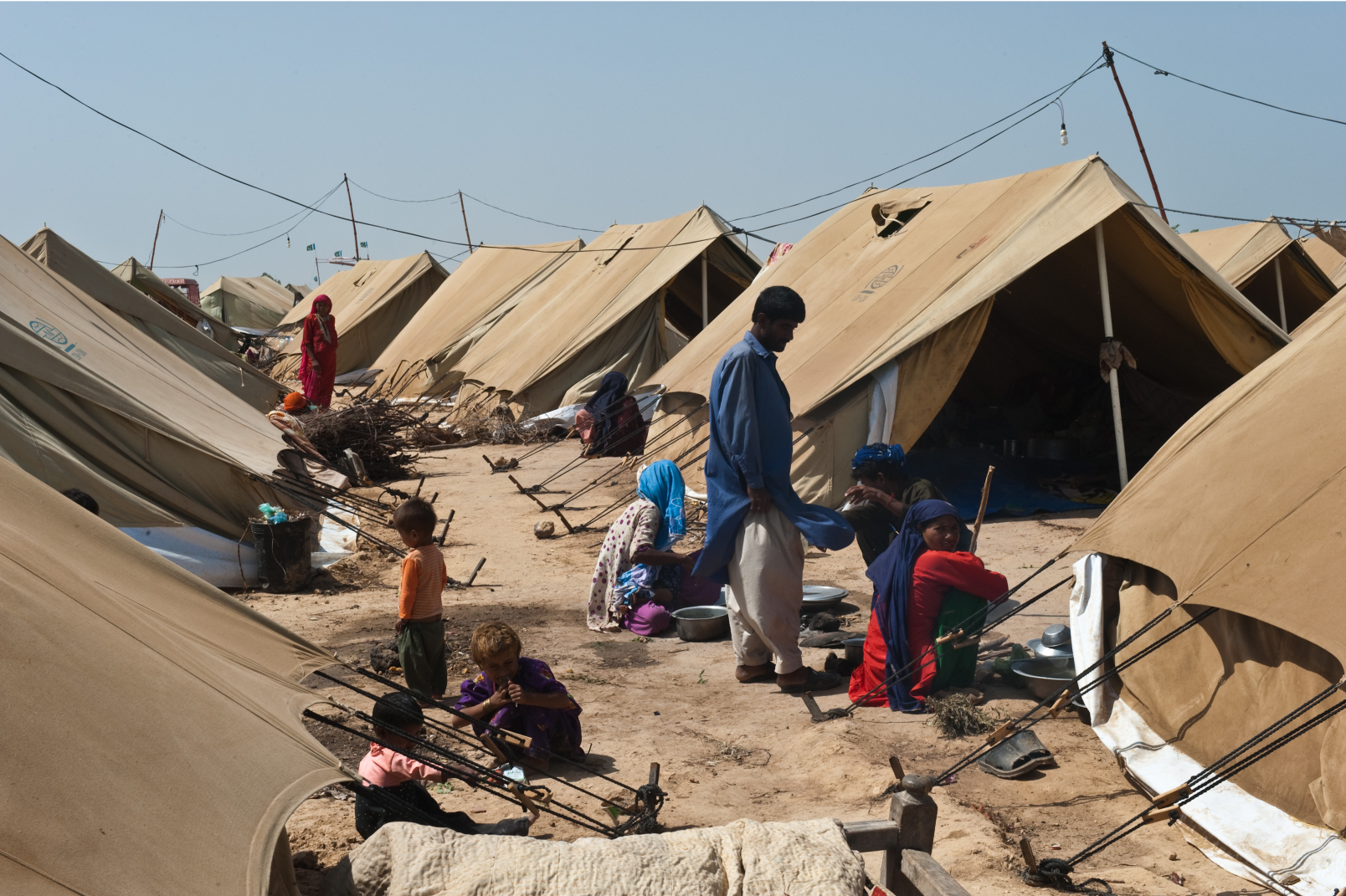
The conflict in the Islamic City of Marawi, the capital of Lanao del Sur Province in the Autonomous Region in Muslim Mindanao, dates to 2017 when members of the Maute Group, the Abu Sayyaf Group, and foreign jihadists affiliated with the extremist Islamic State occupied Marawi, sparking an armed conflict with government security forces. Although the conflict lasted only 5 months, it left the city completely destroyed. More than 1,000 fatalities were recorded and more than 350,000 people were displaced.5 Recovery efforts, including under the Emergency Assistance for Reconstruction and Recovery of Marawi, continue to this day.
ADB’s assistance for Marawi’s recovery includes loans from ordinary capital reserves, a grant from
the Urban Climate Change Resilience Trust Fund, and an additional grant from the Japan Fund for Prosperous and Resilient Asia and the Pacific (then Japan Fund for Poverty Reduction) (JFPR). The assistance has adopted highly tailored approaches designed with careful consideration of the tenuous security situation in Marawi and the government’s limited resources and capacity to provide services in a post-conflict environment.
A key tailored approach was to engage a civil society organization—Save the Children Philippines—as an implementing consulting firm to provide the services rendered under the JFPR grant (an approach allowed under the Staff Instruction on JFPR implementation). This included components to improve social services and livelihoods; develop and implement an emergency employment program and other livelihood programs; and provide equipment and temporary learning spaces for schools and develop the capacity of teachers to offer psychosocial support and peace education for children, youth, and their families. Save the Children Philippines was recruited using direct contracting by the executing agency for output 4, the Department of Public Works and Highways.
Other tailored approaches include an innovative public financial management framework with an annual reporting mechanism that aligns loan proceeds with the government’s spending priorities for Marawi; and simplified and expedient procedures for procuring goods, services, and works, as permitted under ADB’s Disaster and Emergency Assistance Policy; 6 ADB Procurement Policy (2017, as amended from time to time) and Procurement Regulations for ADB Borrowers (2017, as amended from time to time).
Principles of Tailored Approaches Exemplified: Emergency Assistance for Reconstruction and Recovery of Marawi Project
Be context-specific. Assistance distributed through a quick-disbursing mechanism that addressed Marawi’s need for urgent and immediate assistance.
Pursue risk-informed solutions. Comprehensive financial management action plan drafted to mitigate elevated financial management risks; results-based anticorruption action plan developed to mitigate substantial corruption risk.
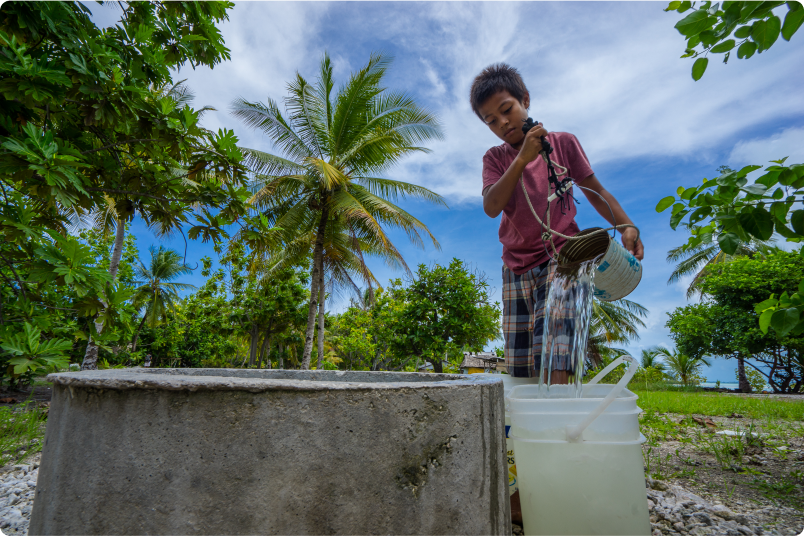
Ensure broad and enduring engagement. Partnership with humanitarian, peace, and other development actors was critical to the project. Besides working with Save the Children as an implementing consulting firm, ADB worked with the International Committee of the Red Cross to provide safe and clean drinking water to residents.
Develop capacity. Capacity building and training related to local governance, peacebuilding, and social healing, among other capacity development support, were provided.
Adapt and respond to challenging or changing situations. ADB closely monitors the security situation in Marawi in coordination with government agencies to ensure no recurrence of conflict occurs.
Read More Our
Project Stories