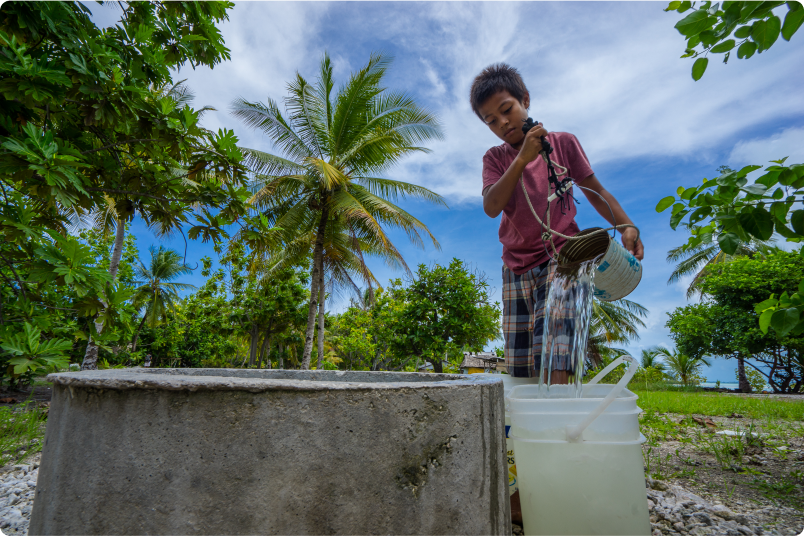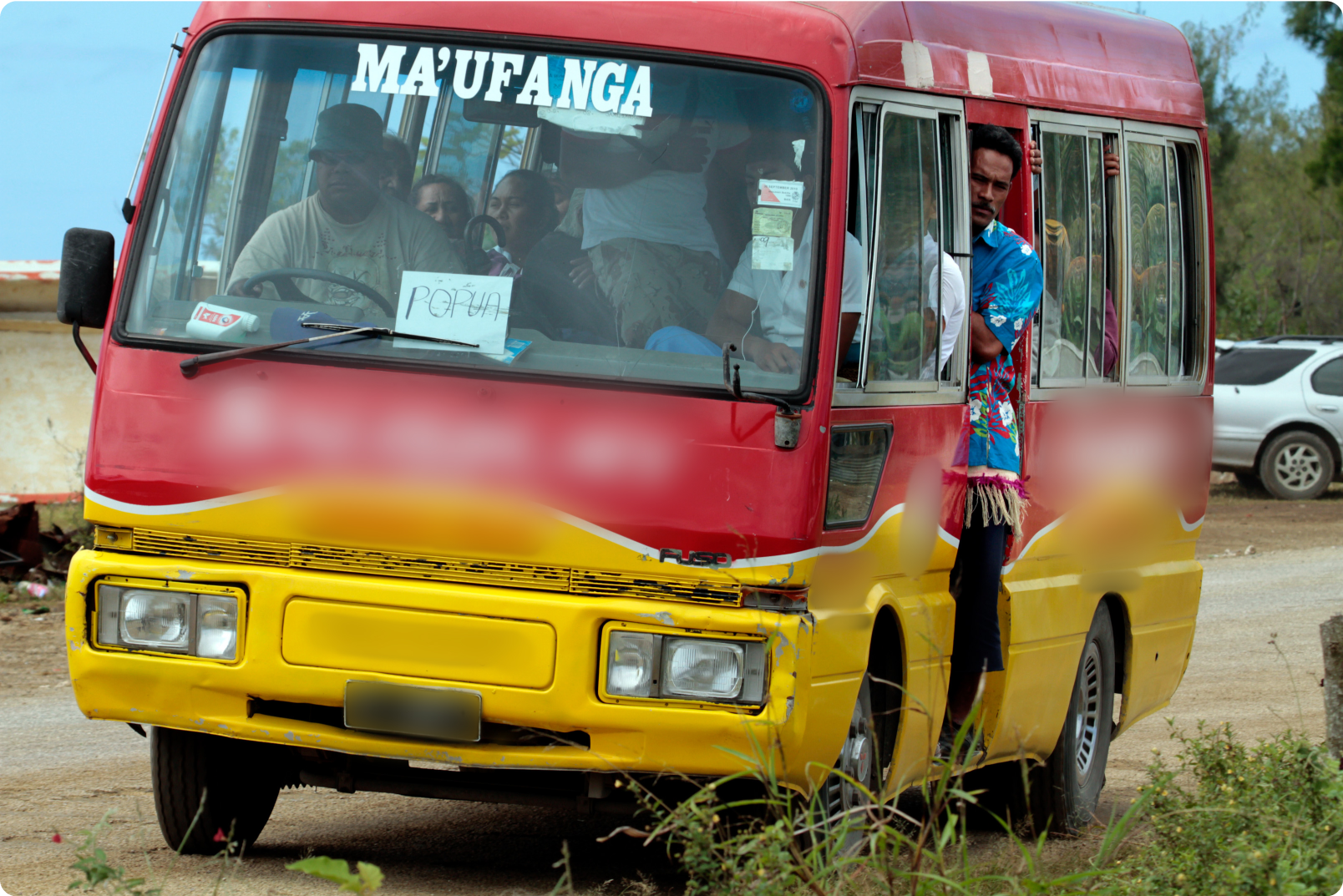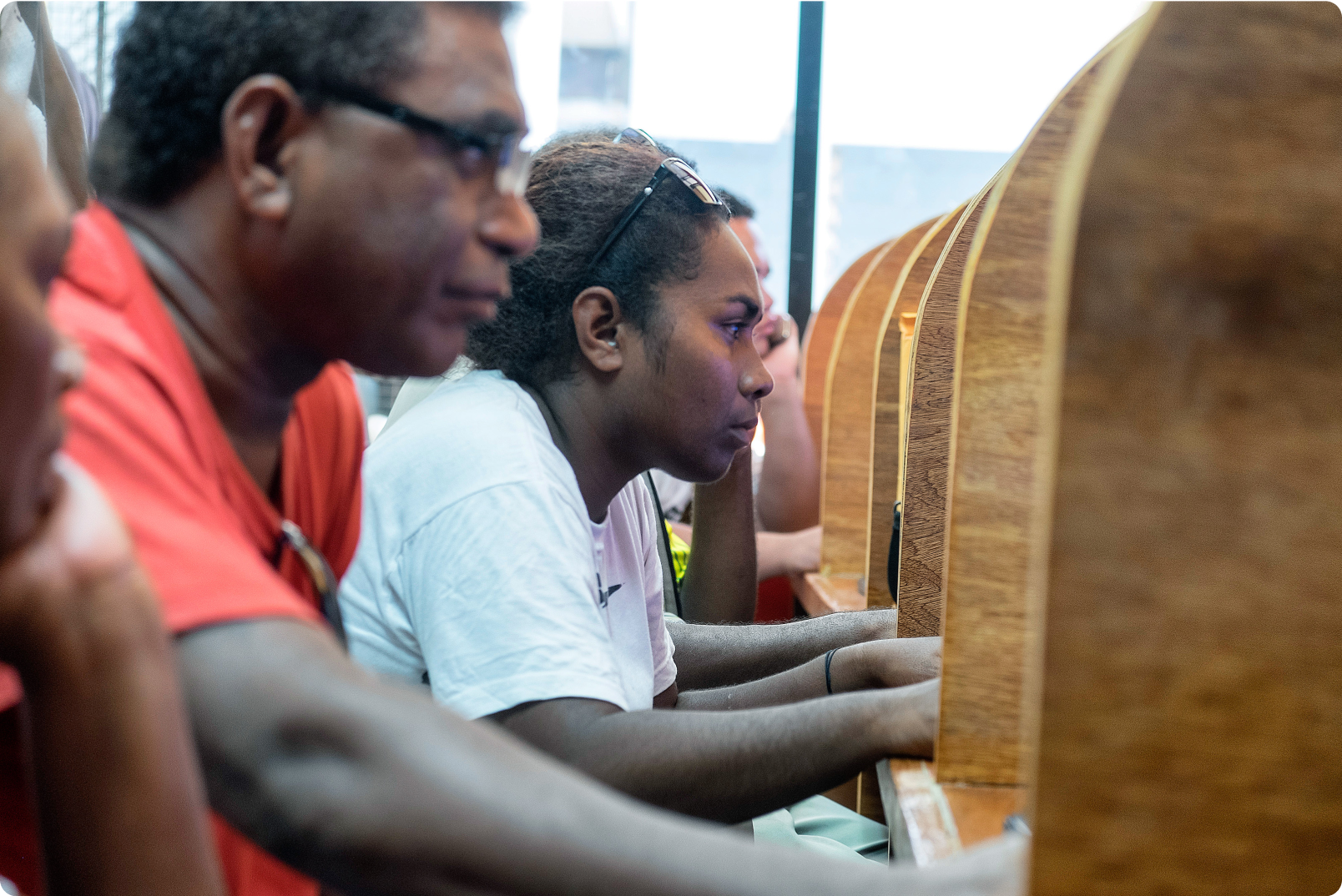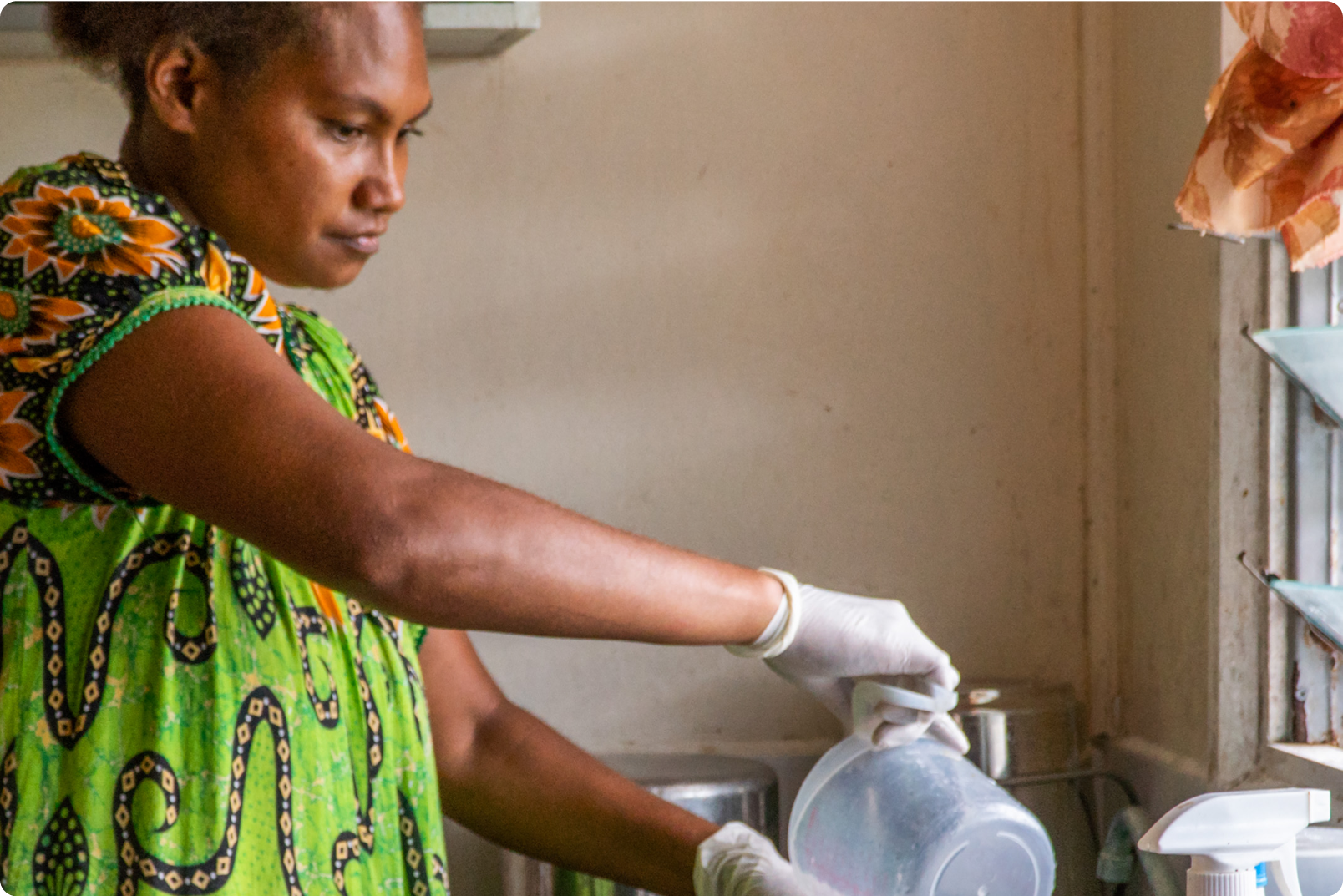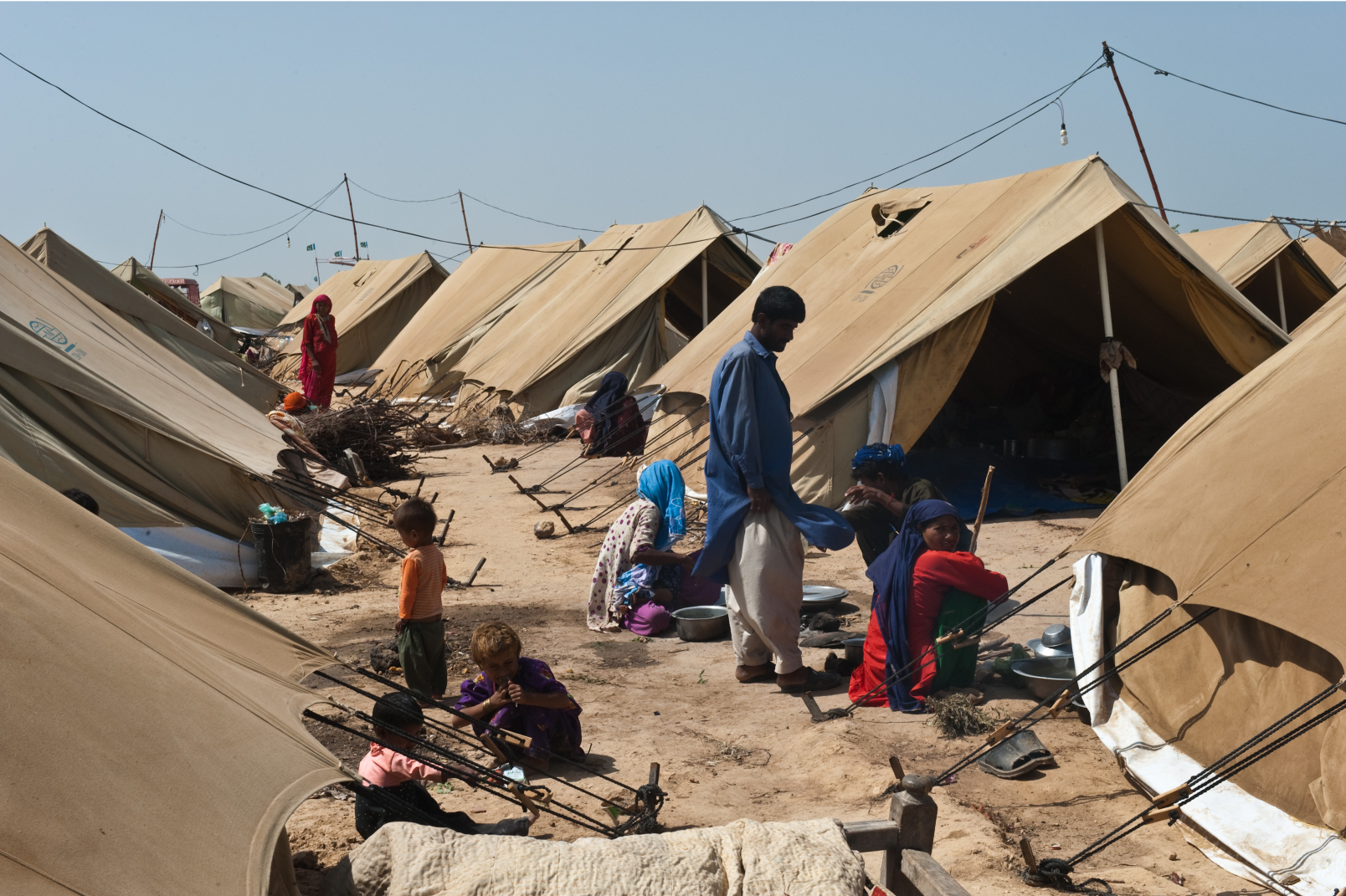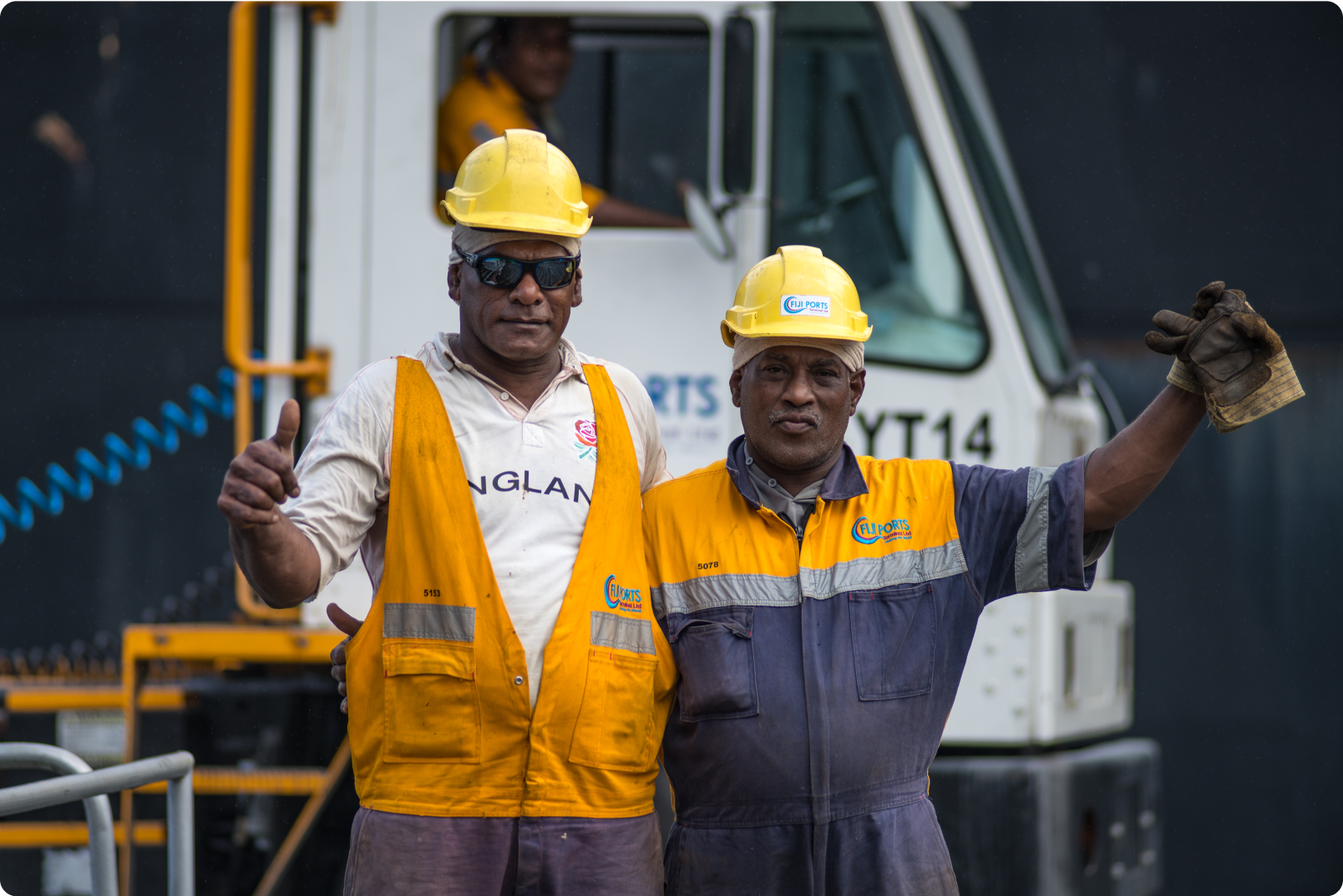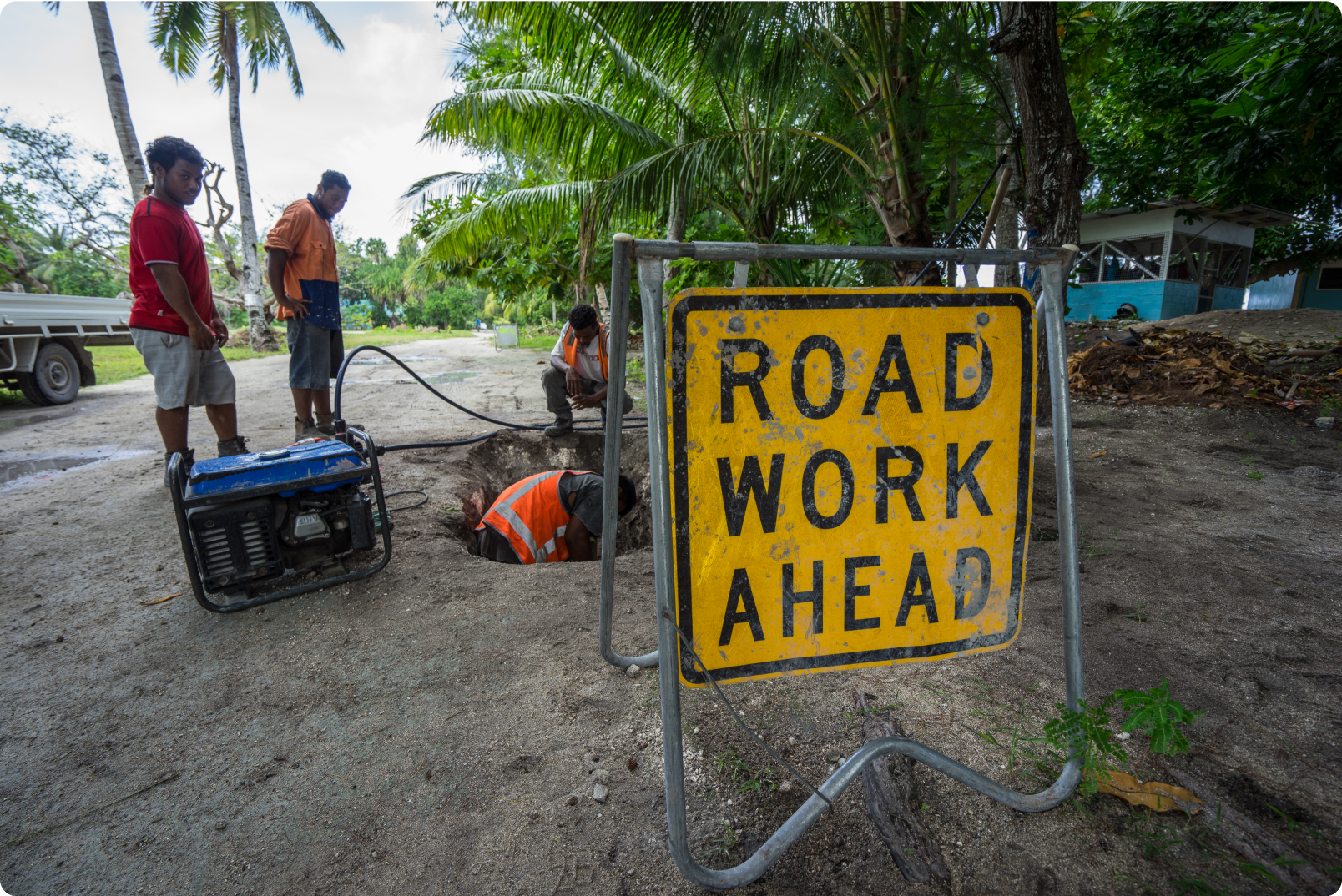
ADB’s Pacific SIDS DMCs are highly vulnerable to disasters triggered by natural hazards, including extreme seismic activity, tsunamis, powerful cyclones, and extreme floods and storm surge affecting low-lying islands. The impact of disasters is compounded by these countries’ remoteness and inaccessibility, which make recovery more difficult. Disasters can also wreak havoc on key industries in SIDS such as tourism, fisheries, ports, and agriculture.
Now in its 5th phase, the Pacific Disaster Resilience Program has pioneered contingent disaster financing (CDF) as an effective form of ex ante assistance to complement ex post tools in helping SIDS recover from the impacts of extreme disasters and public health crises, while building back better, more resilient infrastructure.
Contingent disaster financing allows ADB to provide quick-disbursing grants and loans to combat such disasters. Access to CDF is contingent on prior completion of policy reforms to strengthen disaster resilience under a policy-based grant or loan modality. With these reforms in place, a soft trigger such as the declaration of a national state of emergency, can open the door for ADB to provide immediate budgetary support to the affected DMC. Crucially, SIDS and other small DMCs may avail of CDF of up to $20 million, rather than the limit of 0.5% of GDP that can typically be accessed by larger countries.
Phases 1 and 2 of the program (approved in 2017 and 2019, respectively) represented ADB’s first forays into CDF. These initial phases saw ADB provide CDF through stand-alone, single tranche, policy-based grants and loans to six Pacific DMCs. The combined PCR for these phases found the program to be highly successful overall, in addition to being highly relevant, effective, highly efficient, and likely sustainable. The pioneering Pacific program has provided a model for implementation of flexible CDF in other
ADB DMCs.
This success has led to approval of three additional phases of the Pacific Disaster Resilience Program: Phase 3, which ADB reported on in the 2022 FSA Annual Report; Phase 4, which supported policy reforms to build resilience and strengthen disaster risk management in Kiribati, Samoa, Solomon Islands, and Tonga; and Phase 5, approved in 2024 to support an additional round of CDF to the Cook Islands, the Marshall Islands, the Federated States of Micronesia, Tuvalu, and Vanuatu (all five of which were also supported under Phase 3 of the program).
In August 2024, the Federated States of Micronesia became the first DMC to receive financing under phase 5 of the Pacific Disaster Resilience Program, fully drawing down on its $6 million grant after a severe drought caused the government to declare a state of emergency. In December 2024, Vanuatu received financing after a 7.3 magnitude earthquake struck the capital, Port Vila. The quake disrupted livelihoods, damaged hospitals and other critical infrastructure, and killed 14, triggering a national state of emergency. ADB moved quickly to disburse a $5 million grant upon Vanuatu’s drawdown request.
Principles of Tailored Approaches
Exemplified: Pacific Disaster
Resilience Program
Be context-specific. Contingent disaster financing is uniquely suited to address key contextual drivers of fragility in SIDS), e.g., small, narrowly based economies; geographic remoteness; heightened vulnerability to disasters; and limited resources to invest in resilience.
Pursue risk-informed solutions. Addresses the elevated natural hazard risks of SIDS and develops risk-management capacity of ADB DMCs.
Ensure broad and enduring engagement. The report and recommendation of the President for Phase 5 of the program was developed through a One ADB Approach. A focal from ADB’s Fragility and Engagement Division is on the program team, and a post-program partnership framework is in place to ensure continuation of reforms between phases of the program.
Develop capacity. Support for policy reforms is complemented by soft components to strengthen adaptive social protection systems and develop DMCs’ capacity to manage and reduce disaster risks.
Adapt and respond to challenging or changing situations. The program has built-in flexibility to respond in a timely manner to sudden disasters triggered by natural hazards and/or health emergencies in Pacific DMCs.
Read More Our
Project Stories