Fiji Bridges Project Aims to
Overcome Common Bottlenecks
to
Transport Interventions
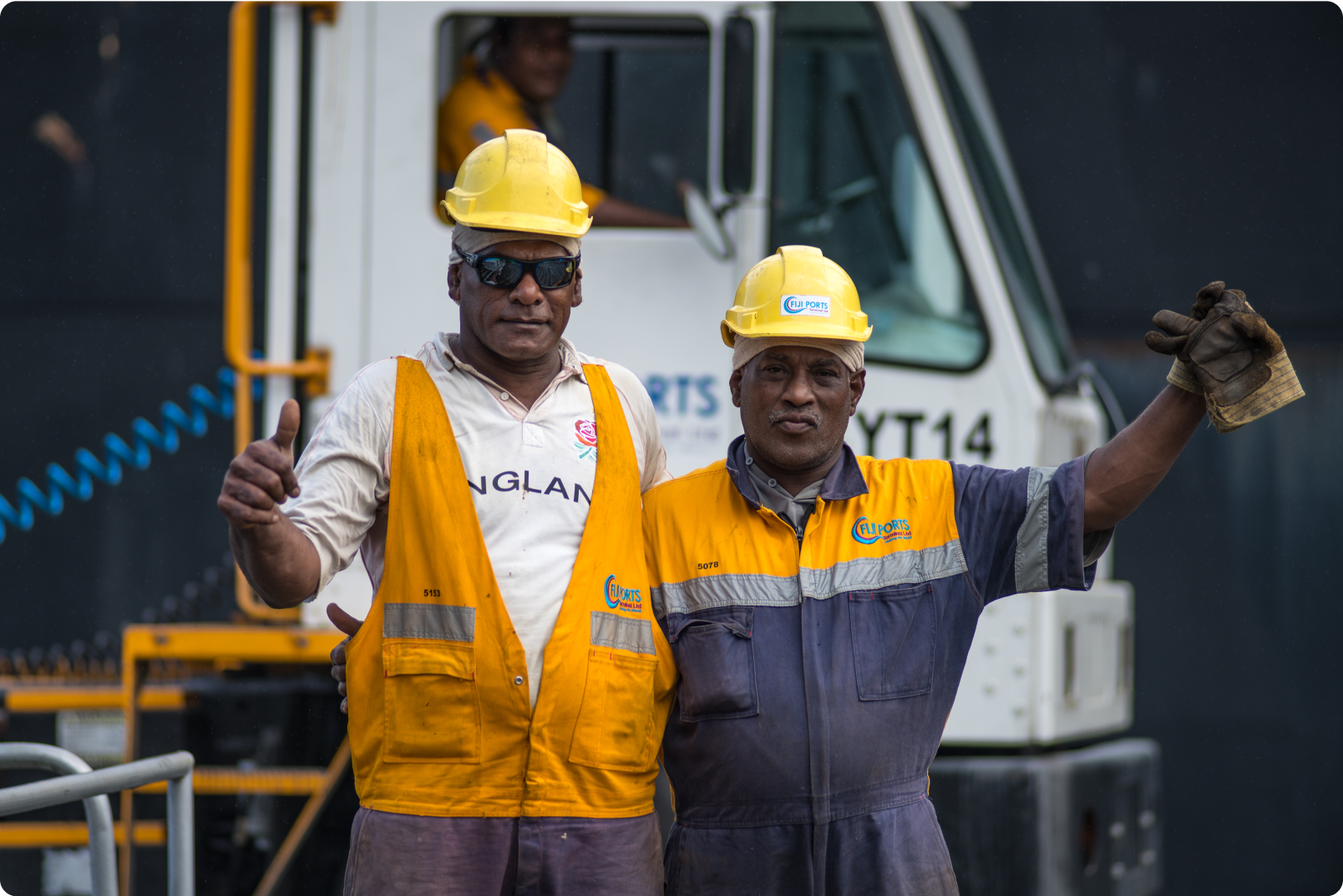
Transport is the dominant sector in ADB’s FCAS and SIDS portfolio (see Figure 9 and 13 in the main text of this report), yet only 29% of transport projects completed in FCAS and SIDS from 2016 to 2024 were rated successful (Figure 5). Among ADB’s 10 sectors, only water and other urban services (20% of completed projects rated successful) had lower success ratings in FCAS and SIDS during that time period.
Bottlenecks to transport projects in FCAS and SIDS are many. Most transport projects have heavy infrastructure components, which are susceptible to a range of common issues in these contexts, from elevated risk of disaster threatening project infrastructure, to a lack of capacity among implementing agencies to handle procurement and financially manage major infrastructure projects.7
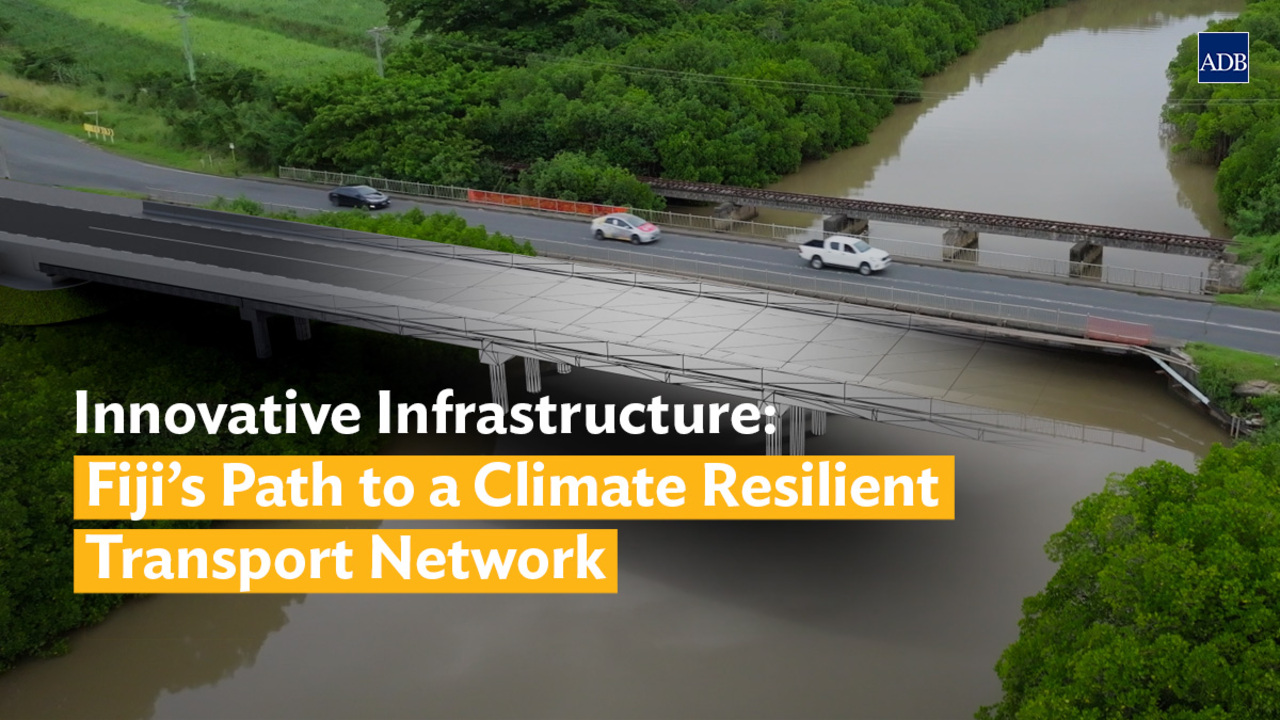
Building on lessons from past projects and leveraging the One ADB approach to project design under ADB’s new operating model, the Critical Bridges Resilience Project in Fiji looks to reverse the trend of poor transport project performance in the Pacific region. The $199.5 million project, approved in 2024, includes a $14.5 million grant financed by the Asian Development Fund 13 Thematic Pool and $50 million in cofinancing from the World Bank to support the construction of four climate- and disaster-resilient bridges with improved safety features.
The project faces a wide range of risks, including land acquisition concerns; elevated integrity and procurement risks; and lack of project management capacity of the executing agency, the Fiji Roads Authority. A previous ADB–World Bank cofinanced infrastructure project in Fiji—the Transport Infrastructure Investment Sector Project, approved in 2014—has experienced significant delays because of insufficient project design and procurement readiness.
Key measures applied to mitigate the types of risks that have hampered the 2014 project include
- (i)
engaging a construction supervision consultant with international expertise to supervise civil works and project implementation, mitigating the executing agency’s lack of capacity for these functions,
- (ii)
extra oversight by ADB of procurement processes, in collaboration with the construction supervision consultant, to minimize costly delays, and
- (iii)
executing agency to update ADB regularly on land acquisition so ADB can identify any issues that might affect procurement.
Improving procurement readiness is essential to improving project performance in SIDS. To boost procurement readiness, the Critical Bridges Resilience Project employs differentiated approaches to procurement—for instance, prequalification of consultants. Handy in SIDS with small consultant pools, prequalification lures consultants that might normally hesitate to bid on work in remote or difficult settings with the promise of multiple contracts over the course of the project cycle.
With prequalified contractors in place, the executing agency can quickly mobilize a consultant without going through time-consuming bidding processes that are often beyond the capacity of the executing agency, leading to project delays.
Another differentiated approach to procurement is the use of an alternative procurement arrangement between ADB and the World Bank. For cofinanced projects, this arrangement allows the procurement rules of a single development partner—ADB in the case of the Critical Bridges Resilience Project—to be used, obviating the need for procurement to follow the rules of both development partners.
Principles of Tailored Approaches
Exemplified: Critical Bridges
Resilience Project in Fiji
Be context-specific. With about half of Fiji's 900,000 people living in rural areas, transport infrastructure is critical for accessing critical services and boosting livelihoods, yet investment in infrastructure lags despite solid economic growth.
Pursue risk-informed solutions. Applies differentiated procurement and project implementation approaches informed by elevated risks in a SIDS context.
Ensure broad and enduring engagement. Regular country-level coordination meetings with the World Bank and other development partners ensure smooth implementation of project infrastructure investments and avoid common bottlenecks.
Develop capacity. Project accompanied by a $2 million technical assistance project to build the capacity of the Fiji Roads Authority in safeguards, procurement, financial management, and other areas of heightened risk.
Adapt and respond to challenging or changing situations. Bridges designed with a lifespan of 100 years, taking into account Fiji’s challenging geography, elevated exposure to geophysical hazards, and sea-level rise projections.
Read More Our
Project Stories